
Contact Us

The New Favorite in Eco-Friendly Materials—Aerogel
Aerogel, currently recognized as the lightest solid material known, is experiencing explosive growth in environmental applications due to its exceptional thermal insulation, adsorption, and lightweight properties.
Below are the latest developments in aerogel’s environmental applications as of early 2026:
1. Turning Waste into Treasure: The Rise of Bio-Based Aerogels
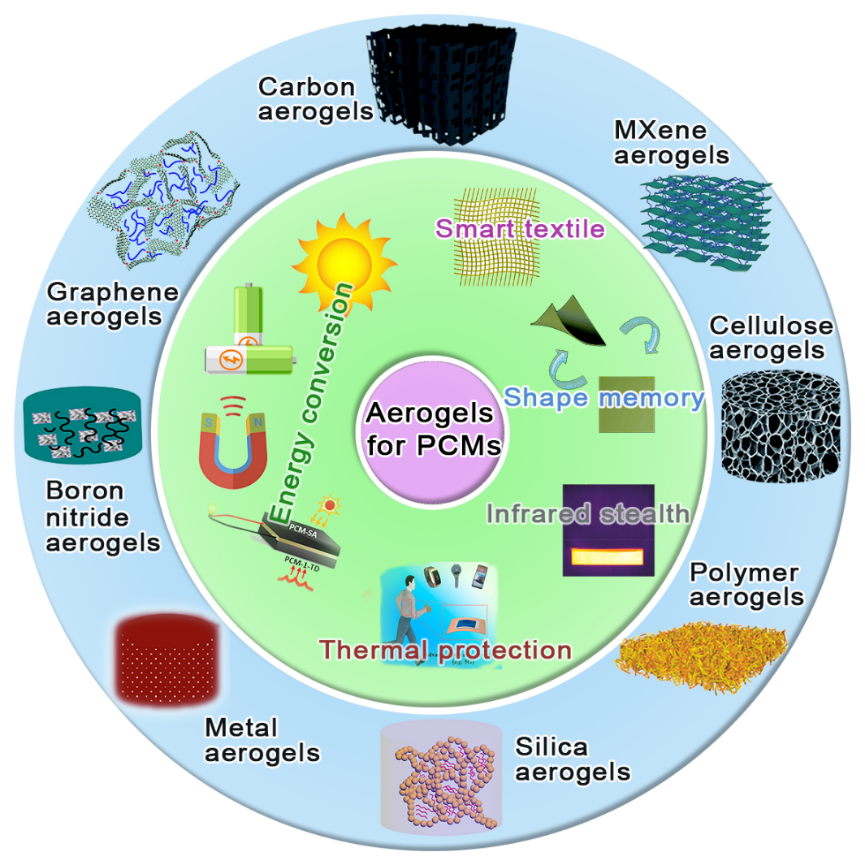
Traditional aerogels primarily use silica as raw material, while the latest research shifts toward circular economy principles.
- Sweet Potato and Biomass: In 2025, research teams in Brazil and elsewhere successfully developed aerogels using sweet potato starch as a base material. This material is not only fully biodegradable but also eliminates reliance on complex organic solvents during production, significantly reducing its carbon footprint.
- Waste Utilization: Researchers are extracting cellulose from food scraps, textile waste, and agricultural byproducts (like rice husks and straw) to create high-strength, flame-retardant, and degradable cellulose aerogels. These serve as alternatives to plastic packaging materials.
2. The Next Generation Star of Building Energy Efficiency
Building energy consumption accounts for approximately one-third of global carbon emissions, and aerogels are revolutionizing this landscape.
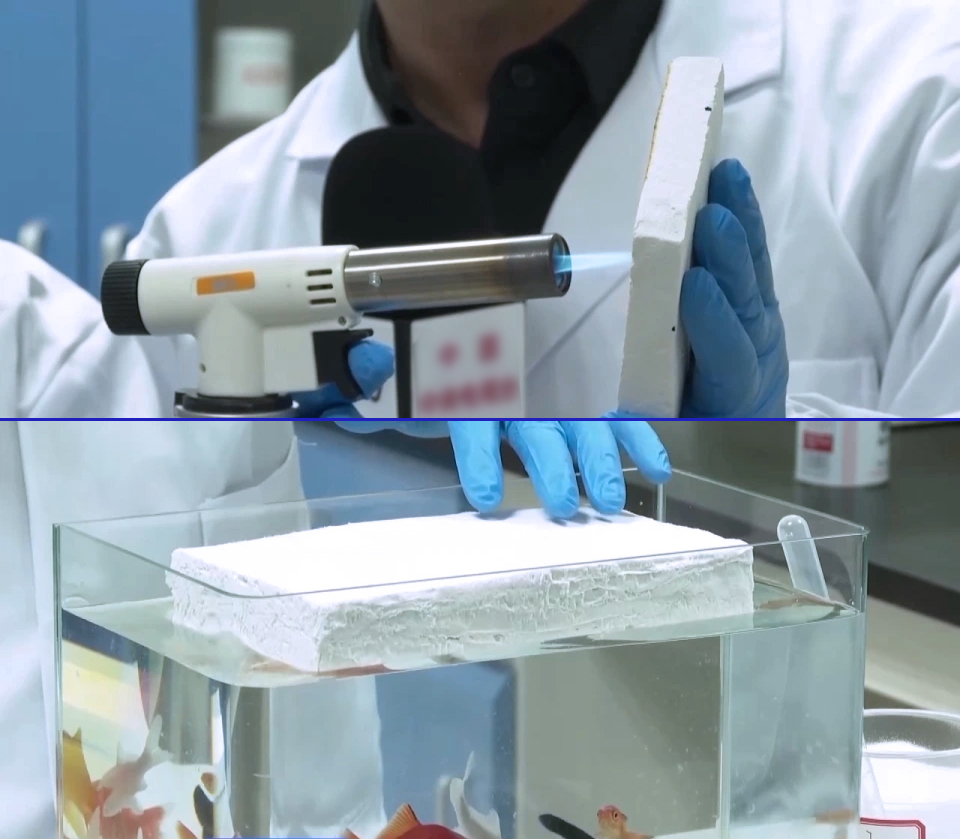
- Cement Aerogel: This represents a recent breakthrough in both domestic and international research. A scientific team has developed a novel cement aerogel that retains the strength of traditional cement while significantly reducing its thermal conductivity. This means future building exteriors could function like “thermos bottles,” achieving exceptional energy efficiency without increasing thickness.
- 2025 Full Replacement Trend: Industry forecasts indicate that starting in 2025, aerogel materials will enter a period of massive adoption in the construction sector, gradually replacing traditional industrial insulation materials like rock wool and glass wool.
3. Environmental Remediation: The “Super Magnet” for Pollutants
Aerogel’s high porosity enables exceptional performance in pollution control.
- Breakthrough in Water Treatment: Scientists have developed a nano-cellulose aerogel with a directional structure specifically designed to capture microplastics and heavy metal ions in water. Its adsorption efficiency is several times higher than that of traditional activated carbon.
- Oil Spill Cleanup: Superhydrophobic aerogels (oil-absorbing yet water-repellent) have entered commercial application. This material can absorb crude oil exceeding 100 times its own weight. Crude oil recovery and material reuse are achievable through compression or distillation, significantly reducing marine pollution remediation costs.

4. Carbon Capture and Storage (CCU/CCS)
In addressing global warming, carbon aerogel is emerging as a critical component of carbon capture technology.
- High-efficiency capture: Through amine-based surface modification, the aerogel’s immense surface area precisely adsorbs CO₂ from industrial exhaust like a sponge.
- Closed-loop chemical recycling: By 2025, research reported polymer aerogels capable of closed-loop chemical recycling. These materials can be decomposed and remanufactured after completing capture tasks, achieving full-lifecycle environmental sustainability.
The core environmental advantage of aerogels lies in their ability to “achieve greater energy savings and pollution control with fewer materials,” perfectly aligning with the global sustainability themes of “energy conservation and emission reduction” and “resource efficiency.”
News focus has shifted from early laboratory breakthroughs to large-scale industrial applications, cost control, and deep integration with specific scenarios such as new energy safety and building retrofits.
In the future, aerogel will become one of the foundational materials supporting the global green transition.