
Contact Us

The New Ace in Home Safety: Aerogel—The All-Purpose Tech Material
Aerogel, recognized as the solid material with the lowest known thermal conductivity, is hailed as a “world-changing wonder material.” In the latest research and market trends for 2025-2026, its applications in the field of home safety are accelerating their penetration from aerospace and defense into the civilian market.
Below is a summary of the latest research developments and news regarding aerogels in the field of home safety:
1. Extreme Fire Protection and Escape Provision
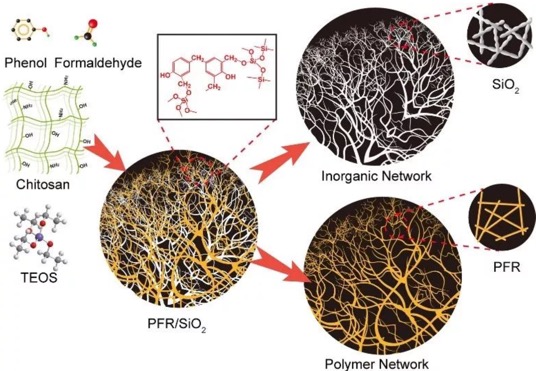
The latest laboratory research (such as that conducted by Professor Yu Shuhong’s team at the University of Science and Technology of China) has successfully developed a composite aerogel with a dual-network structure.
- Temperature Resistance: When continuously exposed to a propane flame at 1300°C for 30 minutes, the material maintains a stable surface temperature of approximately 300°C on its reverse side.
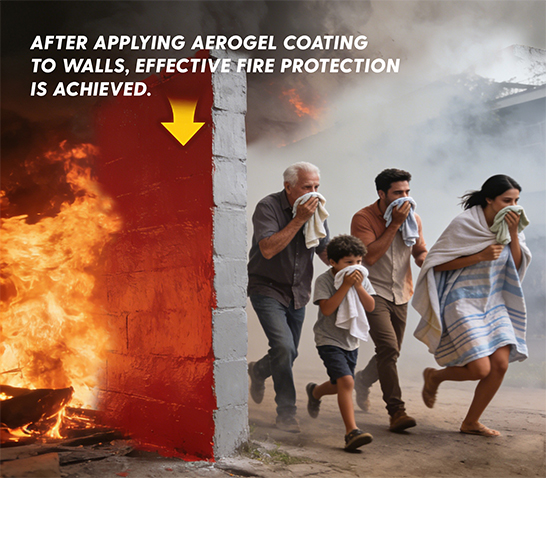
- Home Safety Significance: In residential fires, ordinary reinforced concrete rapidly loses strength above 350°C. Applying aerogel coatings or partitions can effectively prevent structural collapse, buying precious “golden time” for occupants to evacuate.
2. The New Favorite in Maternal and Infant Air Purifiers
- 2025 Annual Survey Report: A specialized report released by the National Household Appliance Quality Supervision and Inspection Center indicates that air purifiers equipped with “nano-aerogel decomposition technology” (such as high-end models like Stivo) have generally achieved over 40% improvement in formaldehyde CADR (Clean Air Delivery Rate).
- Self-indicating Function: Scientists have developed a “color-changing aerogel” that shifts from light blue to reddish-brown when captured formaldehyde reaches saturation threshold, providing a visual cue for users to replace the filter.

3. Smart Temperature Control and Energy-Saving Safety
Research published in journals such as Nature Communications in 2025 focused on phase-change aerogels:
- Principle: Combines the thermal insulation properties of aerogel with the energy storage capabilities of phase change materials.
- Application: When used in residential walls, this material absorbs excess heat during the day and releases it at night. This reduces air conditioning energy consumption while preventing indoor fire hazards caused by circuit overheating or extreme external temperatures.

4. Green and Safe: The Rise of Biomass Aerogel
- Research Update: In September 2025, scientists developed cellulose-based aerogels (Nanocellulose Aerogels).
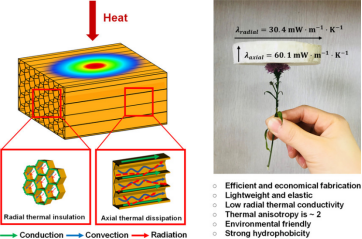
- Safety Advantages: Traditional organic insulation foams release highly toxic hydrogen cyanide gas when burning. Biomass aerogels form a protective layer through surface carbonization, making them not only flame-retardant but also non-toxic and free of VOC (volatile organic compound) emissions. They fully comply with modern eco-friendly and safety standards for residential applications.

5. Cost Reduction: The Inflection Point for Entry into the Civilian Market
- Market Background: Early 2026 market reports indicate the global aerogel market is expanding at a compound annual growth rate of approximately 13.3%.
- Technological Breakthrough: Researchers are replacing costly “supercritical drying technology” with “atmospheric pressure drying technology,” projected to reduce the cost of household-grade aerogel products by 3-5 times. This means aerogel security doors, fire-resistant curtains, and similar products will become more cost-effective.